16in Jump of a Novel dual coupled 4-bar Linkage Robot Leg
Problem:
The primary motivation behind this project is the inherent danger and difficulty of navigating disaster sites, which often prove too hazardous for human responders. While quadruped robots are designed to access these areas, current designs frequently remain unreliable when faced with challenging, unpredictable terrain. To address this, the team set out to design a new quadruped robot leg specifically optimized for search and rescue operations. The core objective was to create a robust and modular leg capable of clearing obstacles under 16 inches tall.

Catbot:
The mechanical team quickly built a 12dof "Catbot" for the computer science team to use as they were able to test their ROS2 and Gazebo simulations on while the mechanical team carefully designed the leg. This was also a great learning experience for the new members of the team to learn how to use CAD.
Prototyping and Testing:
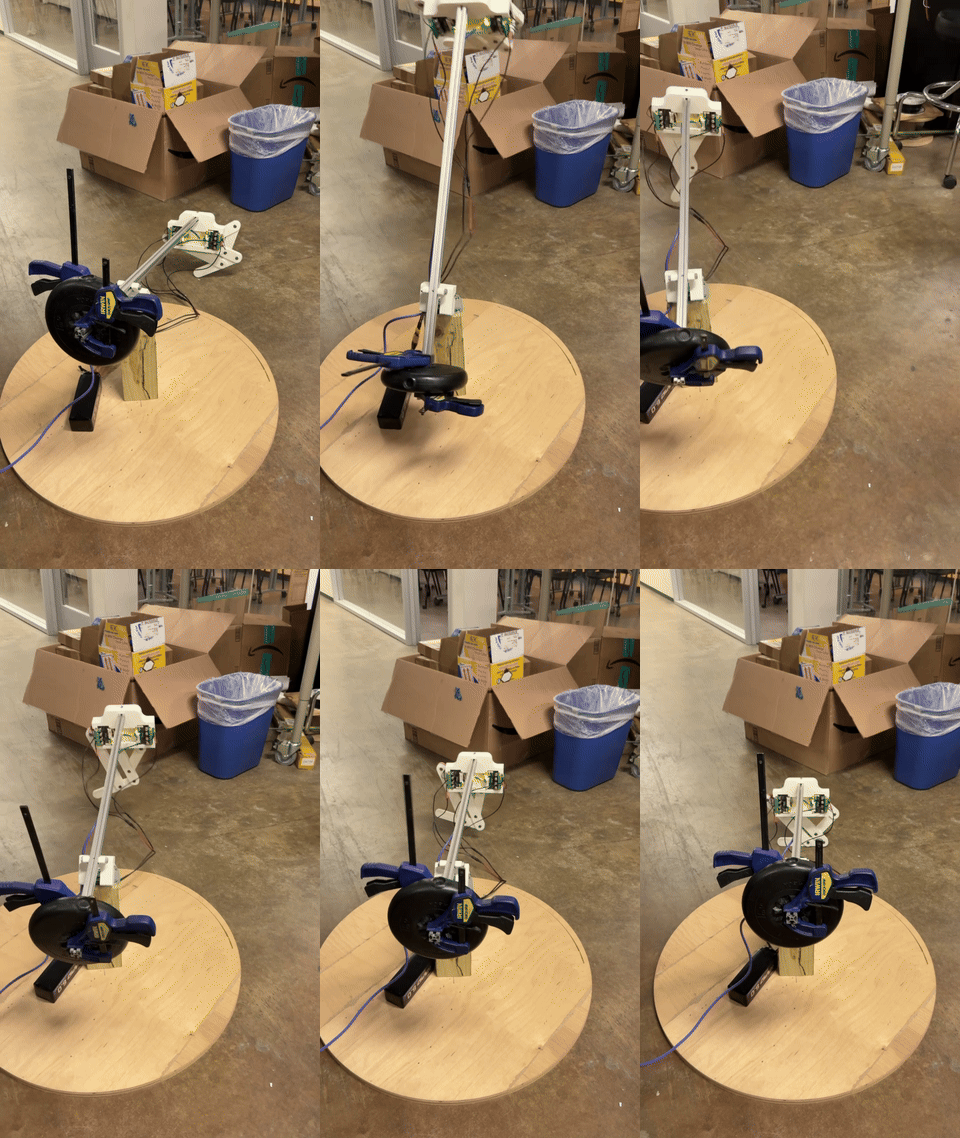
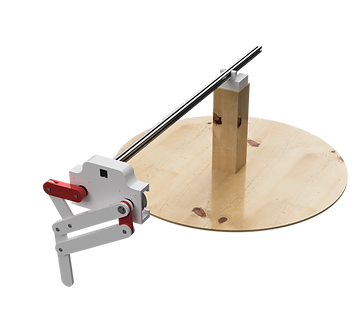
As the mechanical subteam lead, we worked with the electrical and computer science teamsto iterate a working robot. We created a coupled four-bar linkage 2dof robot to give us control over its jumping gait. We used 3D printed legs and bearings to have great control over the design while keeping weight to a minimum and ensuring the material could handle the torque. To test its motion, we created test stands to test its motion.


Results:
To evaluate the physical performance of the leg, we created a custom leg stand to constrain the robot to only dimension of movement. Once this test was completed, we eventually switched to a 2 DOF spherical test stand featuring a rotating lever to better capture the complexities of the leg's movement. To our excitement the robot leg could jump!